Violence Against Women and Children:
Still a Scourge of Our Times
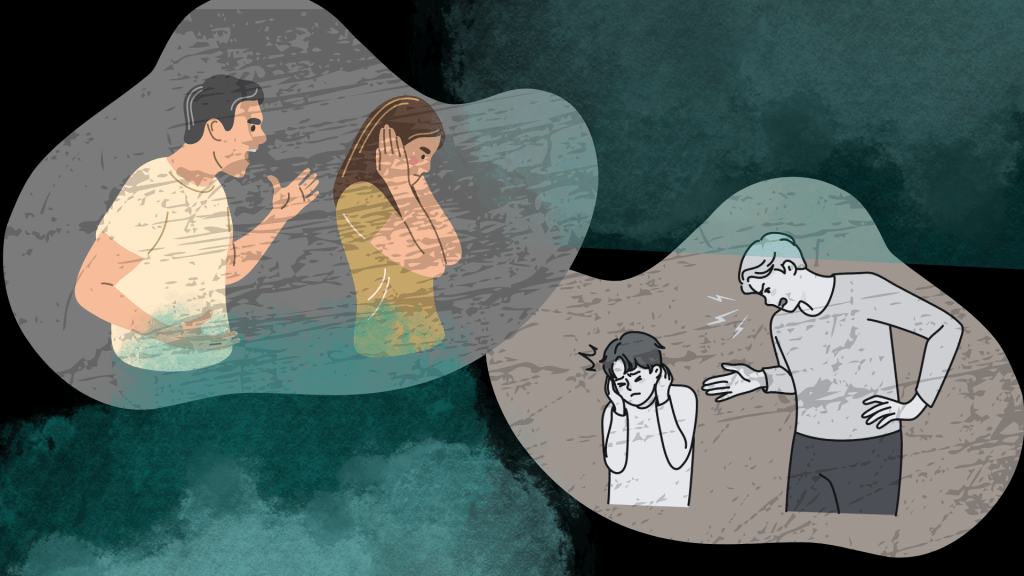
Many women and children remain unheard victims of abuse and violence in their own homes. Data show that approximately one in four children experience some form of child abuse or neglect in their lifetime (Brown et al., 2023).
Similar information is reflected in women, wherein one in four women can be a victim of domestic violence (Huecker et al., 2023). The struggle for the necessary laws and services to protect them has been the focal point to eliminate VAWC for decades now, being the most vulnerable sectors of society. They deserve a safe environment.
Violence against women and children come in various forms, oftentimes, it is presumed to be physical violence. Sexual violence, among the most heinous of these forms of violence, damages a persons dignity as human beings and treats people as sexual objects.
In the Philippines, there was a nearly 265% increase in unconfirmed reports of online child sexual abuse during the pandemic, and the Philippines having large influx of seasonal tourists experiences heightened sex trafficking in locations such as Boracay and Siargao (Philippines-United States Department of State, 2023).
Another form of VAWC is emotional and psychological abuse. These take forms such as intimidation, coercion, bullying, and humiliation to name a few. This damages the mental wellbeing of its victims, subjecting them to intangible distress which can manifest as anxiety, shame, frequent crying, and depression, to name a few (WomensLaw.org, 2021).
Another form of abuse comes in the manner of wielding financial capacity against vulnerable women and children. Economic abuse, defined in RA 9262: the Anti-Violence Against Women and their Children Act, as mainly the threat of or actual deprivation of financial support for a woman and her children, and it also includes the limitation of their financial opportunities and even control over personal money and properties. This forces the victims to believe they have nowhere to go but to endure their predicament simply in order to live.
These forms of violence are all equally evil and, under our Constitution, must be eradicated from society, but the belittling of these as normal occurrences continue to plague the efforts to bring justice and freedom to the victims of these heinous crimes.
The Day of Roses recalls to our minds the value, freedom, and dignity of women in our society, and their roles as guardians of our children remains ever praised. Thus, we have this duty to also raise awareness of the true difficulties that they still endure even up to today, such that the message of the Day of Roses may be made alive beyond the campus walls.
This Upsilon Month 2023, let us join as one with the firm advocacy of fighting VAWC.
The Situation of Violence Against Women and Children in the Philippines

In the Philippines, numerous cases of violence against women and children (VAWC) remain unreported due to a prevailing culture of silence and distrust of the authorities. Fear of judgement and further violence keeps the mouths of victims of abuse shut. According to a report by the Philippine National Police, the Philippines has recorded a number of over 20,000 yearly cases of violence against women from 2017 to 2019, and an average of 13,000 cases yearly from 2020-2021 during the pandemic. These cases range from rape to physical violence against women and their children. Moreover, the Manila Bulletin reported in 2022 that cases of violence against women were tallied at 6,383 while cases of violence against children were higher at 9,677 cases (Chavez, 2022). In addition, a notable yet appalling trend exists where child rape cases were more frequent than cases against women in 2020 (Colobong et al., 2020).
In order to better protect women and children, certain legislation has been passed in order to combat VAWC. Notable among these is Republic Act 9262, or the Violence Against Women and Children Act. Information ranging from the definition of abuse in section 3, the specified criminal acts in section 5, the penalties to be suffered by violators in section 6, the venue for trials regarding such crimes in section 7, and the issuance of Protection orders in sections 8 through 13, are among the 50 sections detailing Republic Act 9262.
Having laws on paper and their actual enforcement are two very different things, and much more crucial is the actual transformation of society in completely upholding the rights and freedoms of women and children. The fight in saving women and children from violence continues among all castes of society. The first step to this fight is the awareness that these crimes happen around us and our actions can dictate the quality of life of those around us. Always remember in every part of our society: Women. Children. Humans.
References:
- Brown, C. L., Yilanli, M., & Rabbitt, A. L. (2023, May 29). Child Physical Abuse and Neglect – StatPearls. NCBI. Retrieved October 24, 2023, from https://www.ncbi.nlm.nih.gov/books/NBK470337/
- Chavez, C. (2022, August 4). PNP data show increase in cases of violence vs women, children- DILG. Manila Bulletin. https://mb.com.ph/2022/08/04/pnp-data-shows-increase-in-cases-of-violence-vs-women-children-dilg/
- Colobong, F., Bautista, J., & ELEVERA, R. (2020, December 26). Sexual violence in PH: Stuff of jokes, stats of nightmares. Inquirer.net. https://newsinfo.inquirer.net/1376035/sexual-violence-in-ph-stuff-of-jokes-stats-of-nightmares.
- Huecker, M. R., King, K. C., Jordan, G. A., & Smock, W. (2023, April 9). Domestic Violence – StatPearls. NCBI. Retrieved October 24, 2023, from https://www.ncbi.nlm.nih.gov/books/NBK499891/
- Philippines – United States Department of State. (2023). State Department. Retrieved October 25, 2023, from https://www.state.gov/reports/2023-trafficking-in-persons-report/philippines
- Philippine Commission on Women. (2023, October 20). FAQs RA 9262: the Anti-Violence Against Women and their Children Act of 2004. Philippine Commission on Women. Retrieved October 25, 2023, from https://pcw.gov.ph/faq-republic-act-9262/
- Rape, Abuse & Incest National Network. (n.d.). Effects of Sexual Violence. RAINN. Retrieved October 25, 2023, from https://www.rainn.org/effects-sexual-violence
- Republika ng Pilipinas Official Gazette. (2004, March 8). Republic Act No. 9262. Official Gazette. Retrieved October 26, 2023, from https://www.officialgazette.gov.ph/2004/03/08/republic-act-no-9262-s-2004/
 Aldrin Soriano